Twenty years a farm, open to guests since 2022
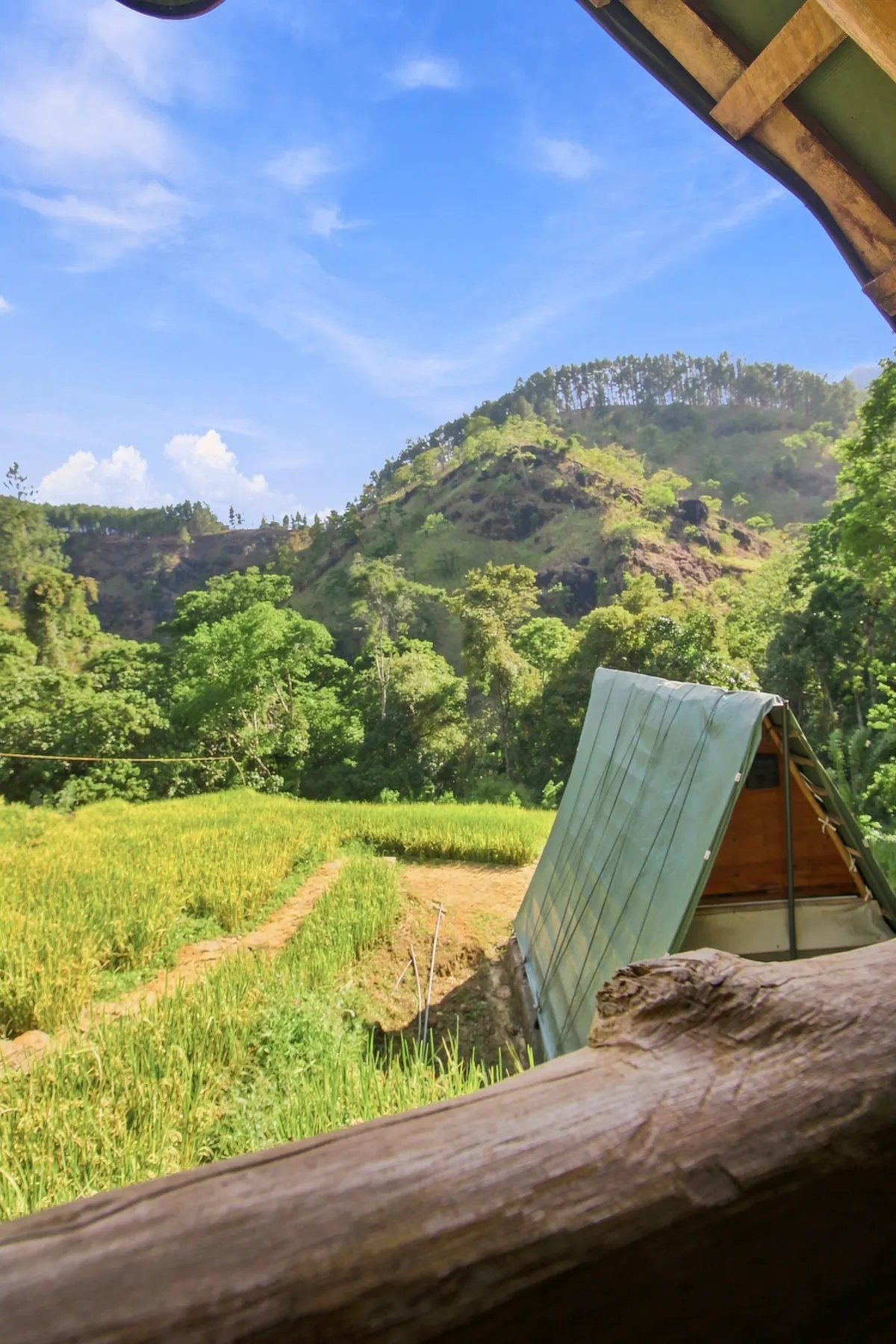
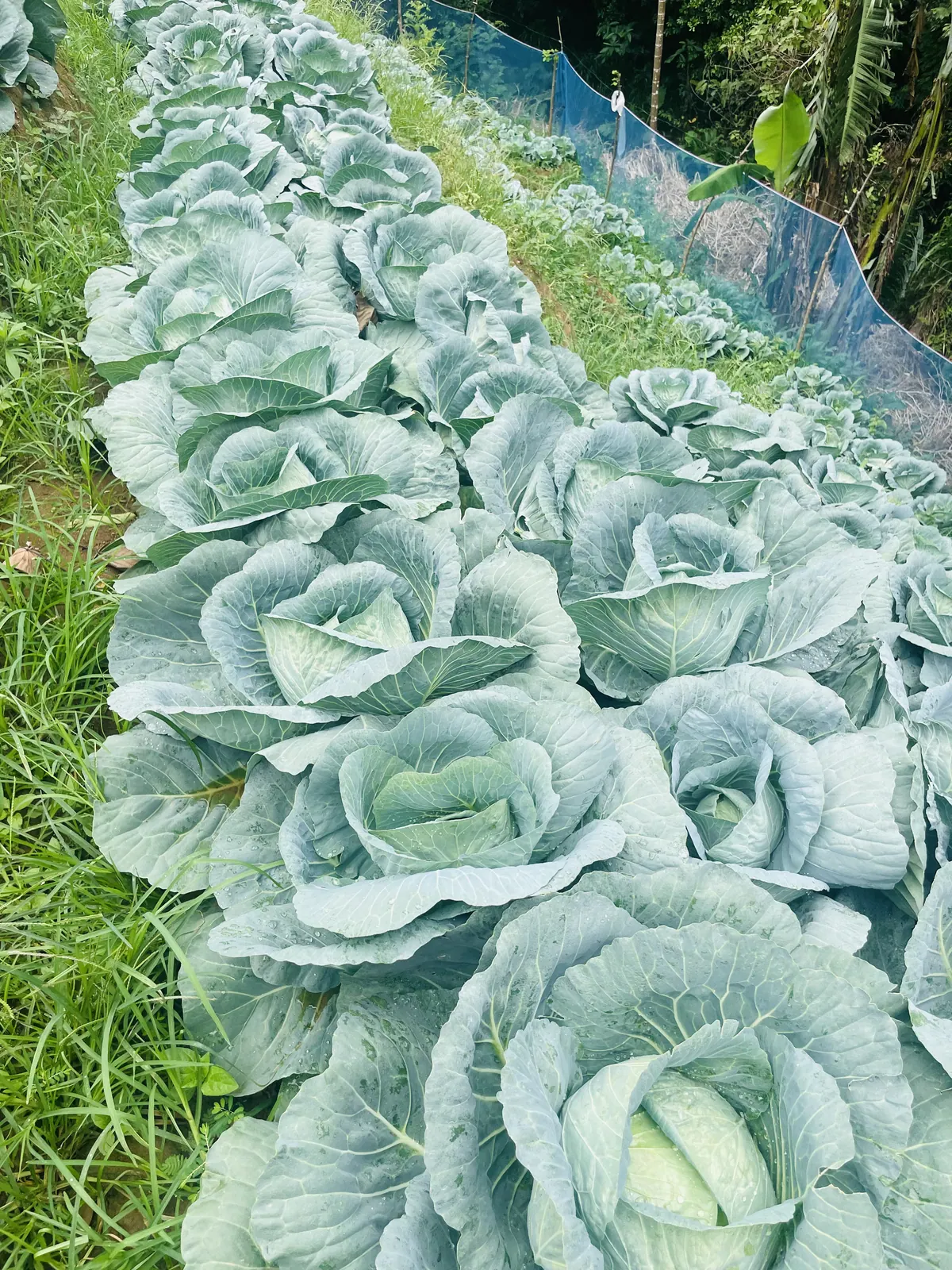
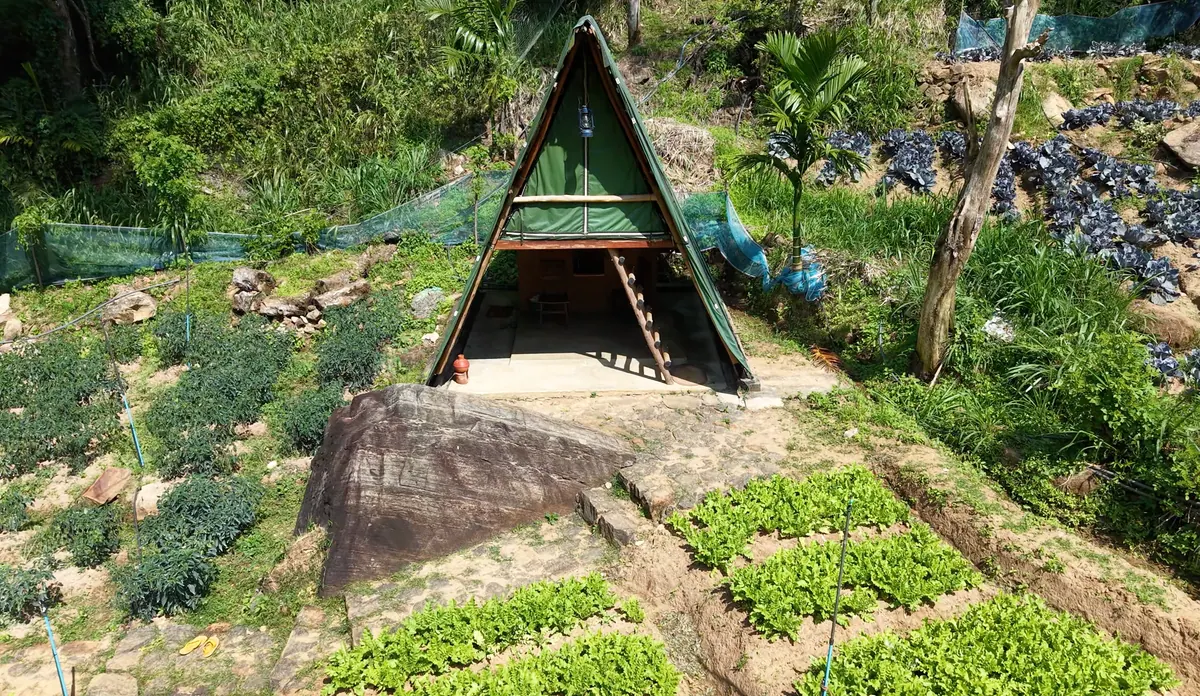
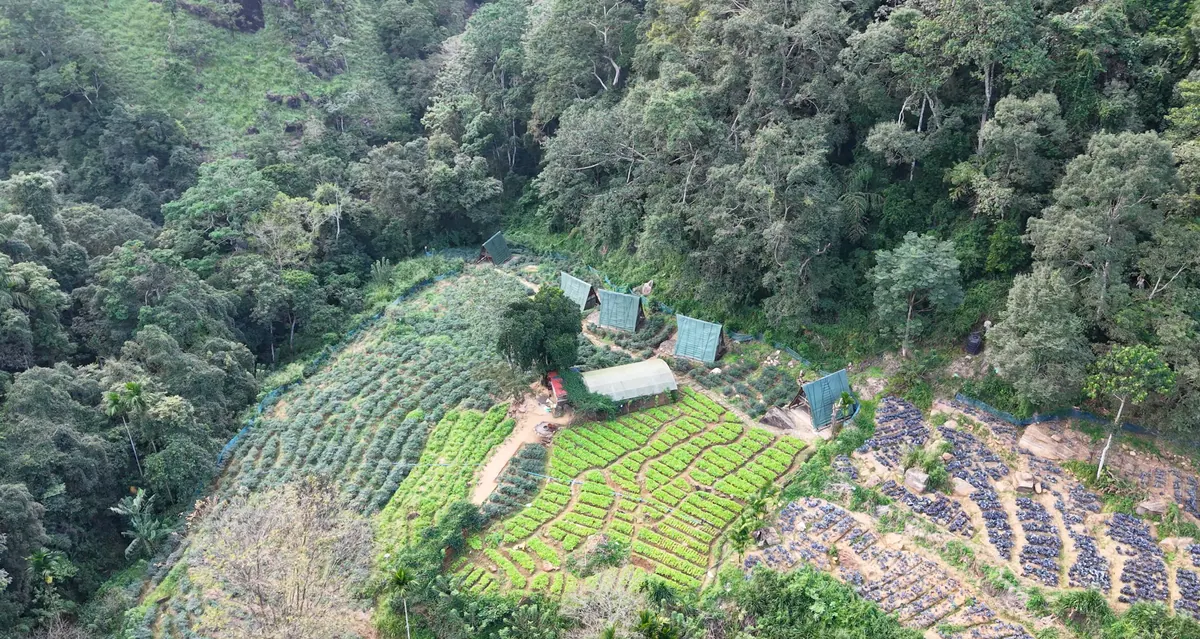
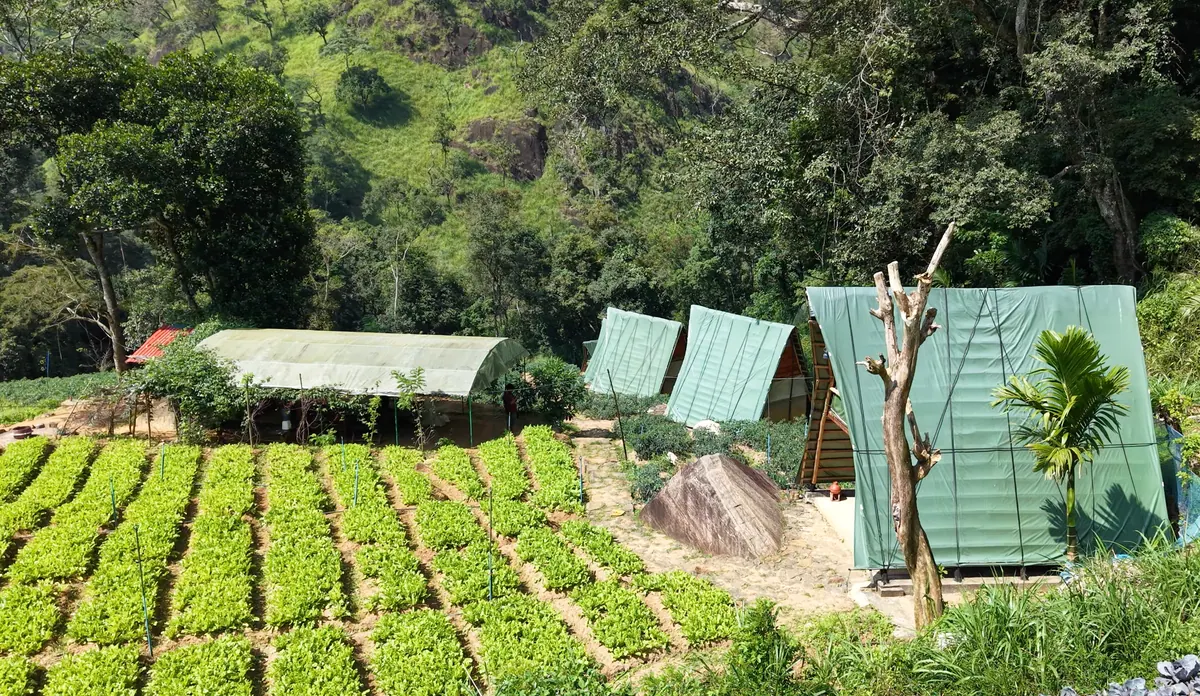
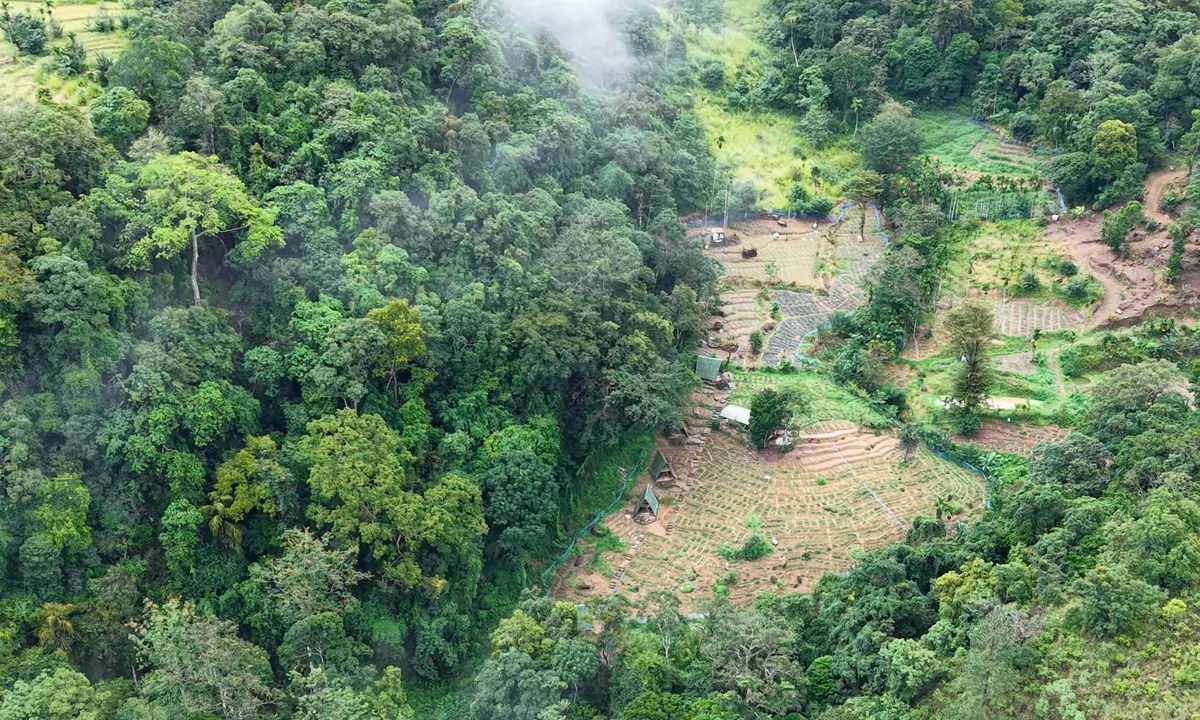
Bambara Ella is eighteen acres of forest and farmland in Kalupahana, owned by Mr. Nuwan Colambage. The land has grown vegetables for twenty years. In 2022 we opened it to guests, so that more people could share the forest, the farm and village life.
A place to learn from nature
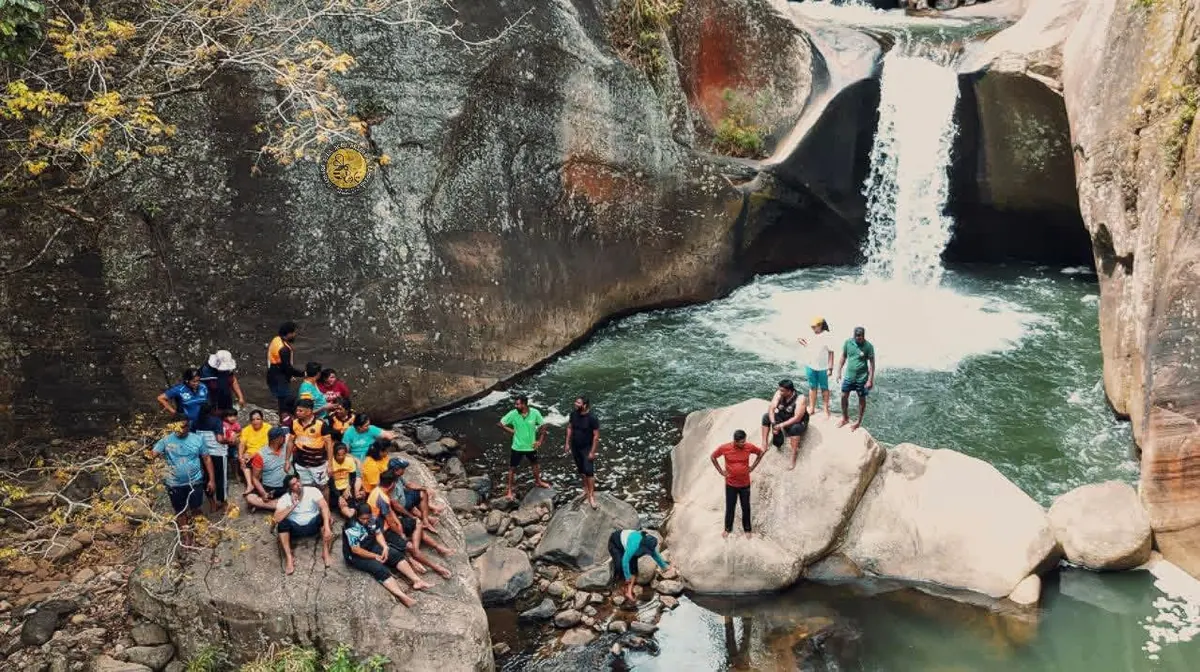
We keep the land free of pesticides and leave the forest, the streams and the waterfalls as they are. That is what lets so much live here — and what makes Bambara Ella a place to see, learn about and care for the natural heritage of Sri Lanka, whether you come as a family, a nature lover or a researcher.
What you can do hereWhat lives on eighteen acres
From the work of Prof. Piyal Marasinghe, who has studied the plants and wildlife at Bambara Ella.
Medicinal plants
More than a hundred species of medicinal plants grow here, out of over a thousand known in Sri Lanka. Many are used in traditional medicine, including for diabetes and as anti-microbial treatments.
Birds
Endemic species live here all year, and migratory birds arrive from abroad in season. Early morning is the best time to watch.
Dragonflies
Clean waterfalls and streams make the land a haven for dragonflies, and a good place to study and watch them.
Butterflies
Sri Lanka has 247 species of butterfly, and you can see most of them here. Their host plants grow on the land, so you can watch them through every stage of their life.
Simple choices, made every day
No pesticides
Nothing is sprayed to kill insects, anywhere on the eighteen acres. It is why the butterflies, dragonflies and birds are still here.
Spring water
Our water comes from natural springs on the land.
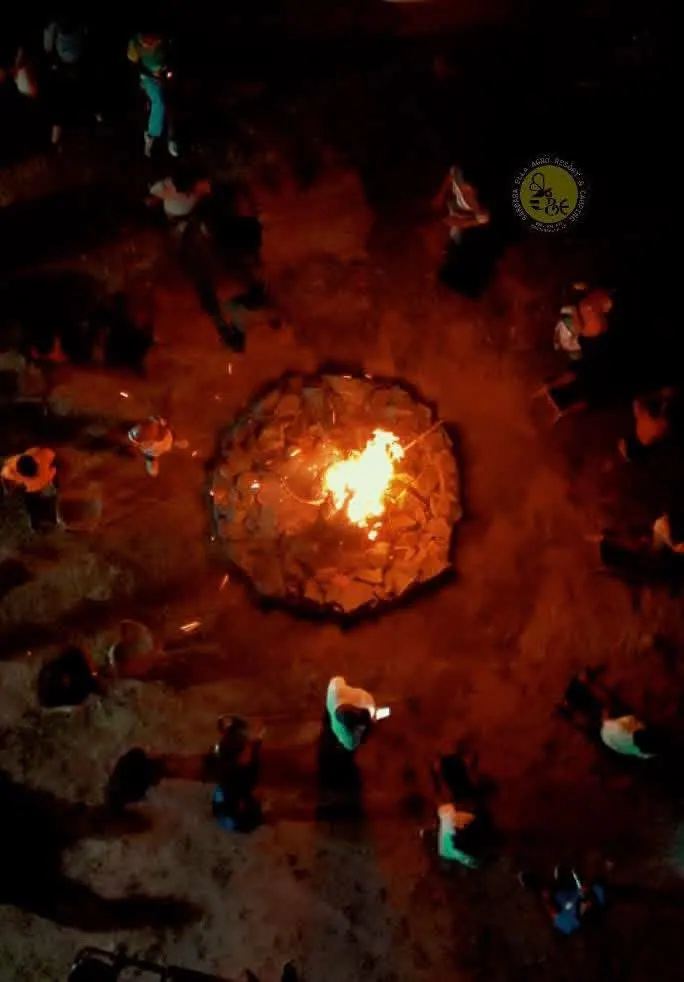
Cooking on firewood
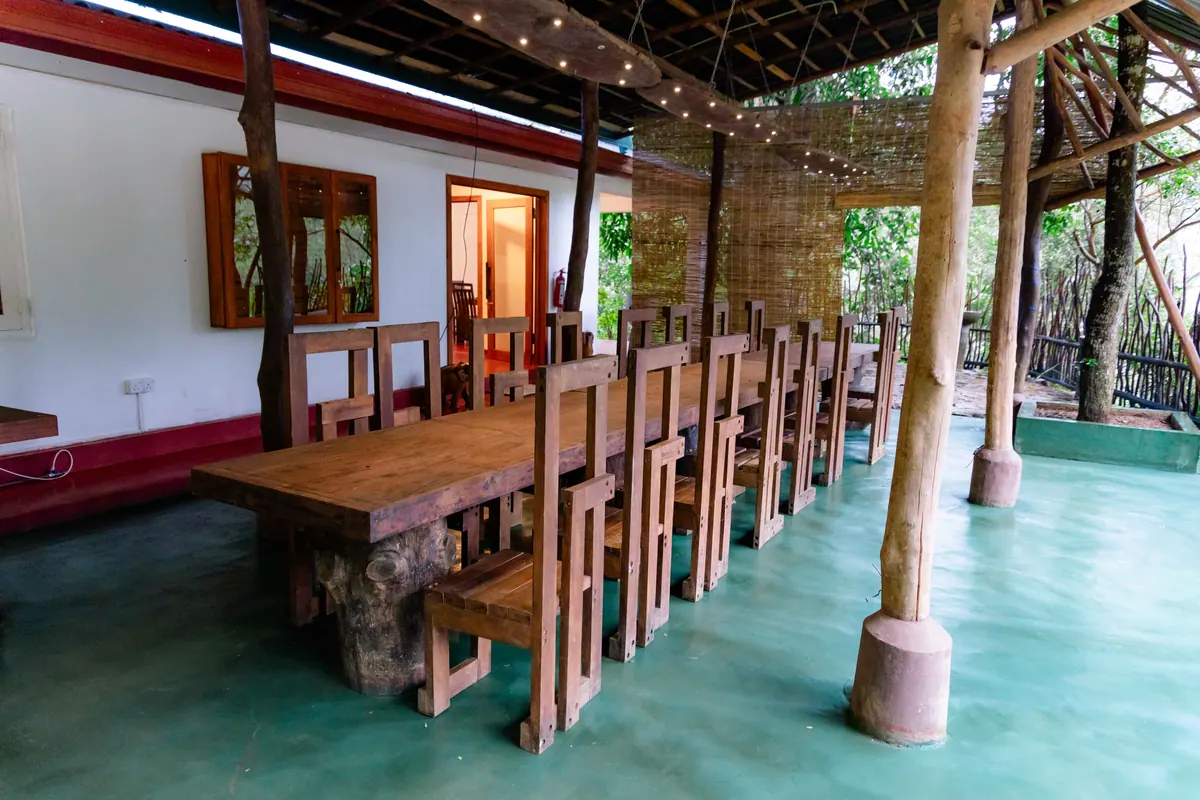
Meals are cooked over a wood fire, in clay pots, the way they are in village homes.
Solar power
Solar panels supply part of the electricity we use.
Run by people from the village
More than twenty from the village
The people who cook, farm, clean the rooms and guide you on the trails come from the villages around us.
Village cooking
Our food is cooked by people from the village, with recipes and methods from their own kitchens.
Farming kept alive
Every stay helps keep twenty years of farming going on this land, and traditional ways of farming with it.